Crafting Keepsakes: How to Build a Custom Hamper That Reflects Family Memories
Do you ever find yourself surrounded by boxes of photographs, ticket stubs, faded letters, and half-finished crafts? It’s overwhelming. We collect memories like shiny beach glass—beautiful, unique, but scattered across too many https://hectorsdoz159.theglensecret.com/the-ultimate-guide-to-finding-the-best-gourmet-snack-boxes-for-adult-men-gifts surfaces to display properly. The sentimental weight of family history is sometimes so large it feels impossible to contain. But what if you could physically capture those feelings, turning a trove of forgotten moments into one beautiful, cohesive piece? Crafting a custom hamper that reflects family memories isn't just arranging pretty objects; it’s curating an edible timeline, a tangible story passed down through generations.

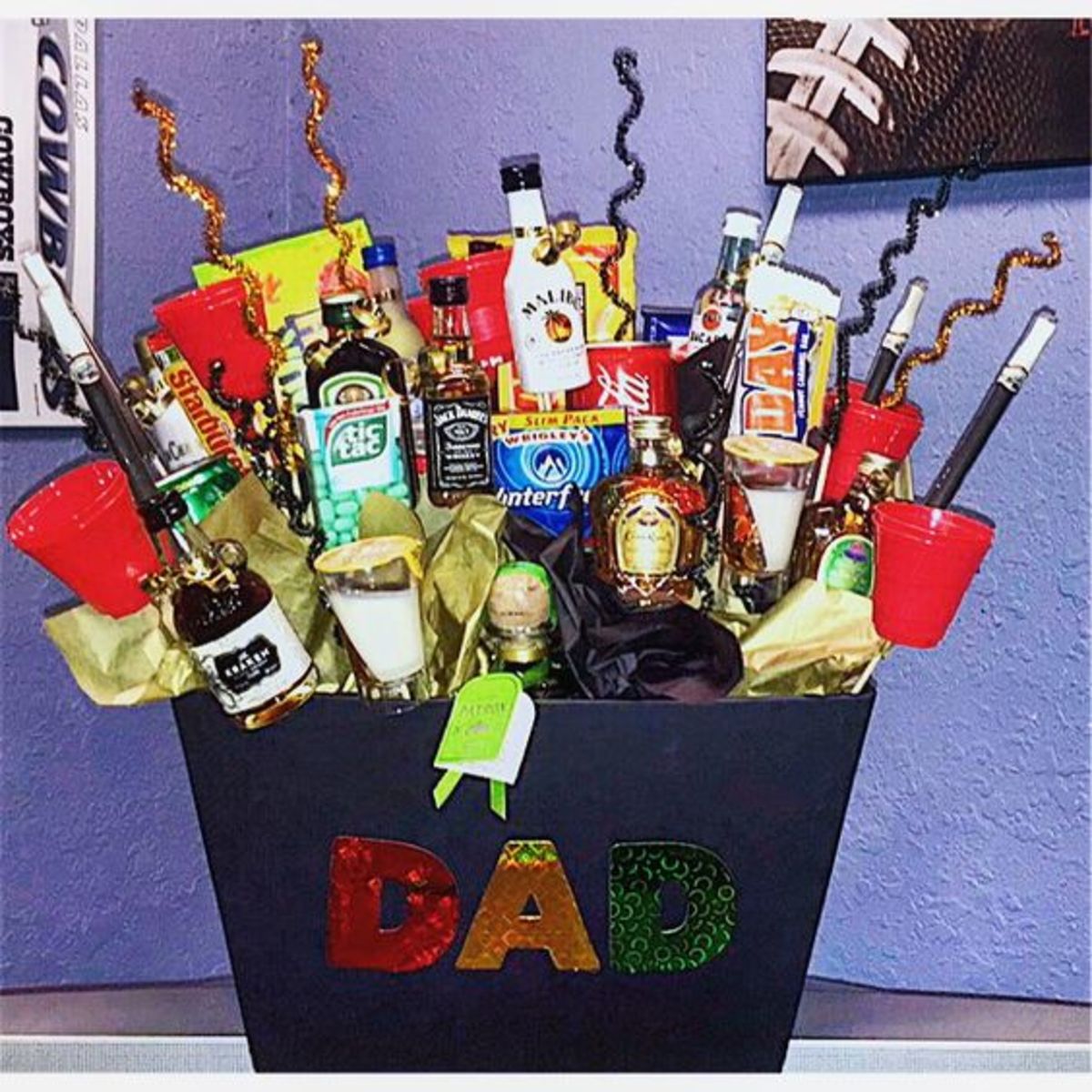
Identifying the Core Narrative: What Story Are You Telling?
Before you purchase a single ribbon or antique teacup, you need to become a historian of your own life. Building this heirloom requires defining its narrative arc. A hamper filled with random trinkets will simply look dusty; a hamper built around a central theme—like "The Great Summer of '98" or "Grandma’s Kitchen"—will sing.
Think about the feeling you want the recipient to experience when they open it. Is it cozy? Nostalgic and sweet? Adventurous? The answer dictates everything, right down to the container itself. Sometimes the most difficult part is deciding where to start. For example, my Aunt Clara once tried to make a "memories hamper" for her siblings. She included everything from a bottle cap she found on a beach trip to an expired coupon. It was... maximalist. We realized the problem wasn't collecting memories; it was finding the threads connecting them. The key is narrowing your focus until you can articulate one core narrative statement: "This hamper celebrates our family’s love of the outdoors."
? Are you aiming for a single decade, or a lifetime spanning multiple eras? Defining this boundary will prevent your project from becoming an archaeological mess and instead make it feel deliberate and beautiful.
Selecting Components That Speak Volumes (And Don't Require a Theme)
The items you select must be functional enough to last but deeply meaningful in their origin. The goal is not just aesthetic appeal; it’s emotional resonance. Everything in the hamper should pass the "Why did I keep this?" test, and ideally, receive an enthusiastic "Oh my gosh!" response when presented.
When considering components, think about tactile experiences:
- Scent: A small sachet of dried lavender or a candle scented like grandmother's favorite potpourri can immediately transport someone back in time.
- Taste/Smell (of food): If the memory involves holiday baking, include a special recipe card printed on aged paper alongside a miniature jar of specialty spice blend.
- Touch: Vintage linens, old photo albums, or even swatches of fabric from an outfit worn during a pivotal family event add wonderful depth.
Remember that these items don't have to be expensive. Often, the most potent mementos—a ticket stub from a concert, a grocery receipt from a memorable meal—are the cheapest and carry the greatest weight. How do you convince people to contribute those small treasures? By making the process of contribution an event itself!
The Art of Arrangement: Turning Clutter into Curated Luxury
Once you have gathered your collection of wonderful remnants, assembly is where the magic happens. This isn't just throwing things in a box; it’s designing a sensory experience. Think of the hamper as a carefully composed still life painting—every object must support the whole picture.
Layering is crucial here. Do not place small, delicate items directly against hard surfaces. Use Grandpa soft filler materials like tissue paper (colored to match the theme!), dried flowers, or shredded newspaper from an old family book. These elements act like visual cushioning, making the arrangement look intentional rather than accidental.
A little humor goes a long way in presentation. For instance, if you are building a hamper for a sibling who is always late, include a witty note that reads: "Warning: Contents may contain items collected before your next appointment." It keeps the tone light while still honoring the memory. The physical act of building this custom hamper itself becomes a wonderful activity—it’s like solving a beautiful, sentimental puzzle.
Integrating Storytelling Elements and Context
The most significant element in making a custom hamper that reflects family memories isn't the object itself; it is the story written about the object. Never simply label an item; always explain its significance.
Consider creating small "Memory Cards." These little tags, tied to the items with twine or ribbon, act as miniature captions for your display. For example, if you include a faded photo of a picnic blanket, the card shouldn't just say "Picnic." It should read: "The spot where we laughed until our stomachs hurt, July 1992."
This process is almost like bottling time itself. As one expert in curating family history noted, “Memory is not what happened; it is how we choose to remember that it happened.” By providing the context—the "how" and "why"—you elevate a collection of objects into an invaluable heirloom. This storytelling layer ensures that even decades from now, the hamper won't just look pretty; it will feel profoundly significant.
Expanding the Memory Keepsake: Beyond the Hamper
The finished hamper is a masterpiece, but remember that documenting family memories is not a one-time project. Once you perfect this process, you can apply these principles to other forms of commemoration. Maybe your next project should be a memory tree sculpture, or perhaps an annual "Memory Box" ritual passed down every year. The joy of creating how to build a custom hamper that reflects family memories is really the development of a new tradition.
Start small: choose three specific, emotional moments you want to honor this year. Focus on finding one object and writing three descriptive paragraphs about it—the who, the what, and the feeling. By practicing this level of detail, you will find that creating other types of memory keepsakes becomes intuitive and deeply rewarding. Start curating your story today; let those faded moments become tangible art.